Simplifying Enterprise IT with Secure AI Computing: Security at Every Layer
All-in-One PCs ,
Desktops
Artificial Intelligence (AI) is quickly transforming the modern workplace. From content creation and document analysis to workflow automation and decision support, AI is becoming an integral part of daily business operations. As organizations accelerate AI adoption, however, they are also facing new challenges surrounding cybersecurity, governance, compliance, and data trust.
According to the Statista+ B2B Content Marketing Trend Study 2026, 80% of organizations recognize AI as a strategic opportunity. In response, many are adopting governance frameworks, implementing human oversight processes, and establishing data management policies to ensure the responsible utilization of AI. This study underscores a notable shift in enterprise priorities: successful AI adoption is no longer solely assessed through productivity gains but also through trust, transparency, and accountability.
This evolution reflects a broader reality. As AI becomes more deeply integrated into business processes, organizations need computing environments that not only enable innovation but also help support security, governance, and resilience.
Security Is No Longer Just an IT Concern
Traditionally, cybersecurity focused on protecting networks, applications, and devices. Today, organizations must also safeguard intellectual property, customer information, AI-generated content, and business-critical workflows.
Modern cybersecurity frameworks emphasize a holistic approach to risk management. The NIST Cybersecurity Framework (CSF 2.0) promotes governance, resilience, and continuous risk management across organizations. Meanwhile, NIST SP 800-207 Zero Trust Architecture emphasizes the importance of trusted devices, verified identities, least-privilege access, and continuous validation. Together, these frameworks represent a growing industry shift toward integrating security into every layer of the computing environment.
Similarly, Microsoft's Zero Trust security model reinforces the concept of "never trust, always verify." This approach encourages organizations to continuously validate users, devices, applications, and workloads, regardless of their location. Collectively, these frameworks reflect a consensus in the industry: security should be embedded throughout the entire computing environment rather than treated as a standalone layer.
At the same time, the financial repercussions of cyber incidents continue to escalate. IBM's Cost of a Data Breach Report has consistently indicated that data breaches can lead to operational disruption, financial losses, and reputational damage, highlighting the necessity of proactive security strategies.
Security at Every Layer
As organizations increase their use of AI, endpoint devices are becoming increasingly important components of enterprise security strategies. Trusted endpoints support broader initiatives related to identity protection, data governance, and secure AI adoption.
Security Layer
Enterprise Objective
MSI Business PC Capabilities
Device Trust
Establish trusted endpoints
TPM 2.0 support, Secure Boot
Identity Protection
Verify users and prevent unauthorized access
Windows Hello support, fingerprint authentication on selected models
Data Security
Protect sensitive business information
BitLocker compatibility, local AI computing capabilities
Physical Security
Reduce tampering and unauthorized access
Kensington Lock support, VESA-mounted deployment options
IT Management
Simplify deployment and maintenance
MSI Center, enterprise-focused deployment and management tools
Operational Resilience
Support business continuity
Enterprise-grade reliability and long lifecycle support
This layered approach aligns with principles commonly promoted by modern cybersecurity frameworks and reflects the growing recognition that security, governance, and resilience are increasingly interconnected.
AI Adoption Requires Strong Governance
While AI offers considerable opportunities for increased productivity and innovation, it also presents new challenges related to data management, compliance, intellectual property protection, and overall organizational transparency.
The Veeam Data Trust and Resilience Report 2026 found that many organizations believe AI adoption is progressing faster than their ability to secure data and maintain visibility into how AI tools are being used. The report further highlights concerns around governance, trust, and operational readiness as organizations continue expanding AI initiatives.
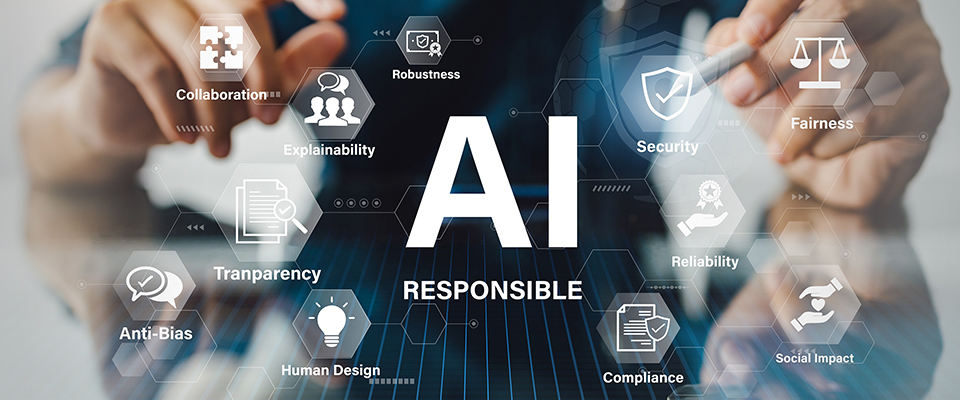
While AI offers considerable opportunities for increased productivity and innovation, it also presents new challenges related to data management, compliance, intellectual property protection, and overall organizational transparency. Organizations are therefore increasingly focusing on data governance, access control, transparency, and accountability as foundational elements of responsible AI adoption.
Why Local AI Is Becoming Increasingly Relevant
As AI-assisted workflows become more widespread, many organizations are increasingly focused on where their data is stored and how it is processed. Depending on their deployment policies, application settings, and specific organizational needs, local AI computing can help minimize external data transfers for certain workloads while also meeting governance objectives. This approach is particularly important in industries such as government, healthcare, education, finance, and professional services, where data handling requirements are often more stringent.
Importantly, local AI should not be viewed as a replacement for cloud-based AI services. Instead, many organizations are exploring hybrid approaches that combine local and cloud resources to balance performance, scalability, and governance requirements.
This trend is part of a broader shift toward trusted AI environments, where organizations aim to gain greater visibility into their data processing practices while retaining the flexibility necessary for future innovation.
Human Oversight Remains Important
Despite the rapid advancements in AI capabilities, organizations still recognize the need for human judgment. A study by Statista+ found that businesses view compliance reviews, fact-checking, strategic planning, and final decision-making as processes that require human oversight. As AI-generated content and automated workflows become more common, maintaining accountability is a key aspect of responsible AI use.
Rather than replacing human expertise, AI is increasingly seen as a tool that supports decision-making within clearly defined governance frameworks. Therefore, trusted computing environments need both technological safeguards and human accountability.
Security Is Also About Resilience
Cybersecurity discussions often focus on prevention, but resilience is becoming equally important. According to the Veeam Data Trust and Resilience Report 2026, many organizations are confident in their ability to recover from cyber incidents. However, the report also highlights that operational disruptions, downtime, and financial impacts continue to affect organizations after security events. This underscores the necessity of having validated recovery strategies instead of relying solely on perceived readiness.
These findings reinforce the importance of viewing security as part of a broader business continuity strategy. Reliable endpoints, manageable deployment practices, consistent security controls, and organizational preparedness all contribute to long-term resilience. As digital transformation accelerates, resilience is increasingly becoming a business differentiator rather than merely a technical requirement.
Secure AI Starts at the Endpoint
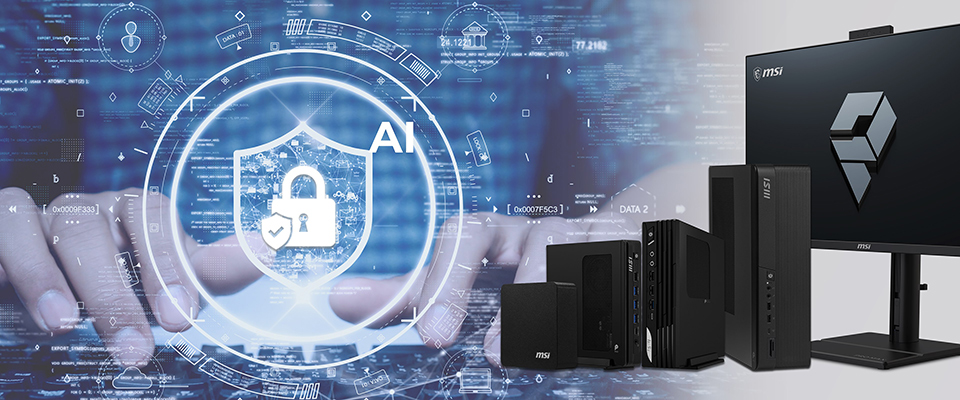
As organizations pursue AI-driven transformation, endpoint devices play an important role in establishing a secure computing strategy. MSI Business computing solutions, including the Cubi NUC AI Series, Cubi NUC AI+ Series, PRO DP10, PRO DP21, PRO DP80, and PRO DP180 desktop PCs, as well as the PRO MAX 27TP All-in-One PC, are designed to support modern business environments through enterprise-focused security capabilities, AI-ready computing platforms, and manageable deployment options.
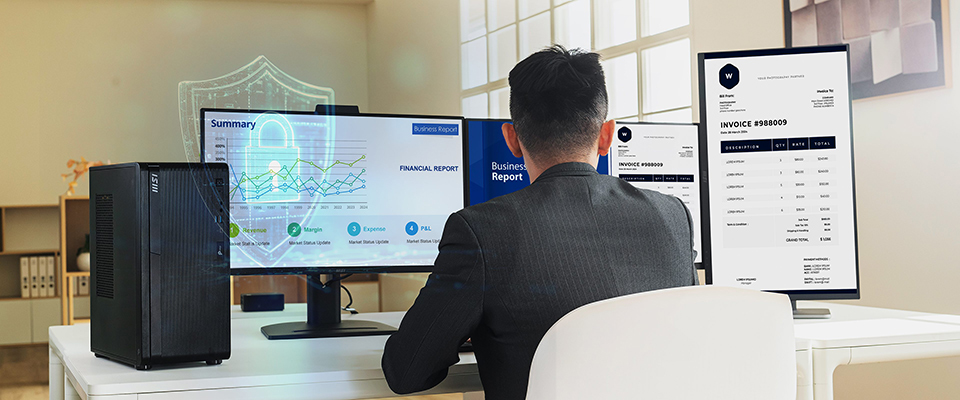
Features such as TPM support, Secure Boot, biometric authentication support on selected models, and AI-ready platforms can help organizations build trusted endpoint foundations that align with broader security, governance, and productivity initiatives.
Building Trust for the AI-Powered Workplace
As AI, hybrid work, and digital transformation continue to reshape enterprise computing, trust has become one of the most valuable assets an organization can cultivate. Security, governance, resilience, and responsible AI adoption are no longer separate initiatives. They are increasingly interconnected components of modern business strategy.
By supporting trusted endpoints, AI-ready computing, enterprise manageability, and operational resilience, organizations can create environments that help balance innovation with security. In the age of AI, security at every level is not just about protection; it is about fostering trust, confidence, and sustainable business growth.
For more information, please visit the following links:
MSI Business & Productivity PCs:
https://uk.msi.com/Business-Productivity-PCs/Products
MSI All-in-One PCs:
https://uk.msi.com/All-in-One-PCs/Products
MSI Business & Productivity PCs:
https://uk.msi.com/Business-Productivity-PCs/Products
MSI All-in-One PCs:
https://uk.msi.com/All-in-One-PCs/Products